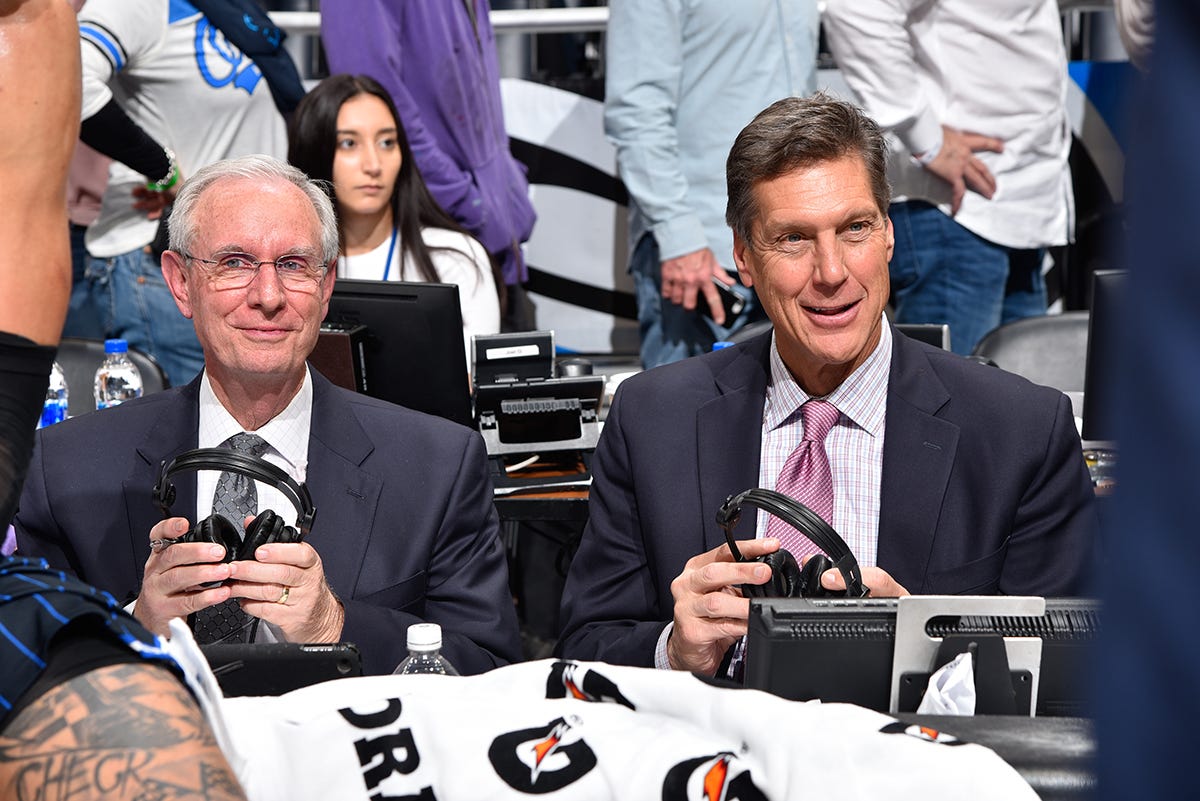
Jeff Turner, Olympic Magic
An Olympic gold medalist who understood his role in the NBA

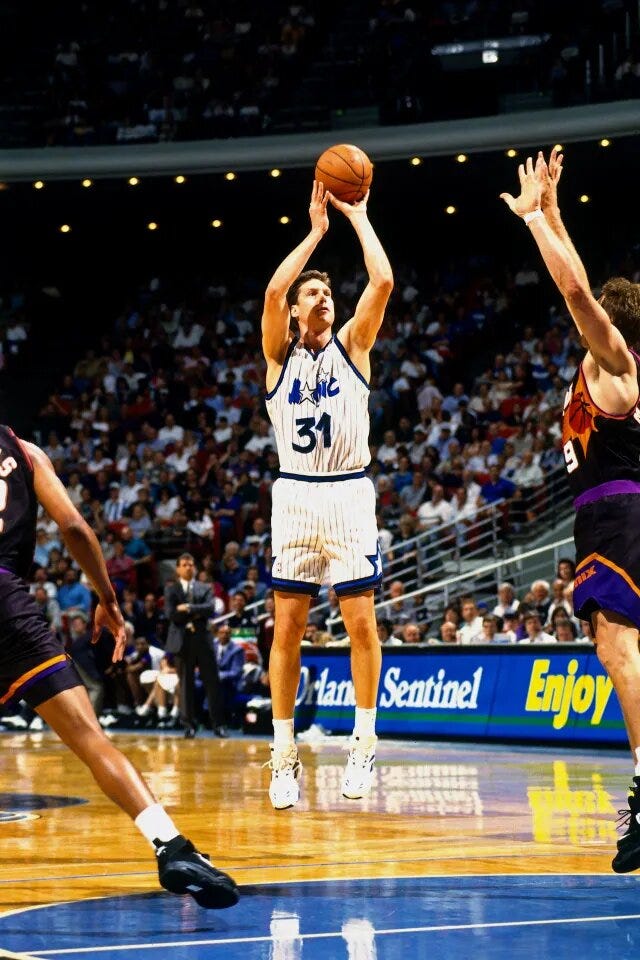
Jeff Turner did not grow up dreaming of basketball stardom.
As a kid in Maine, his first love was baseball. Basketball came late, almost reluctantly, as his body changed and his future slowly shifted.
By the time he reached his teenage years in Florida, Turner had grown too tall for the diamond. What limited him in baseball became an asset on a basketball court. At Brandon High School, he embraced the game seriously for the first time, earned All-Conference honors, and began a path that would take him further than he ever expected.
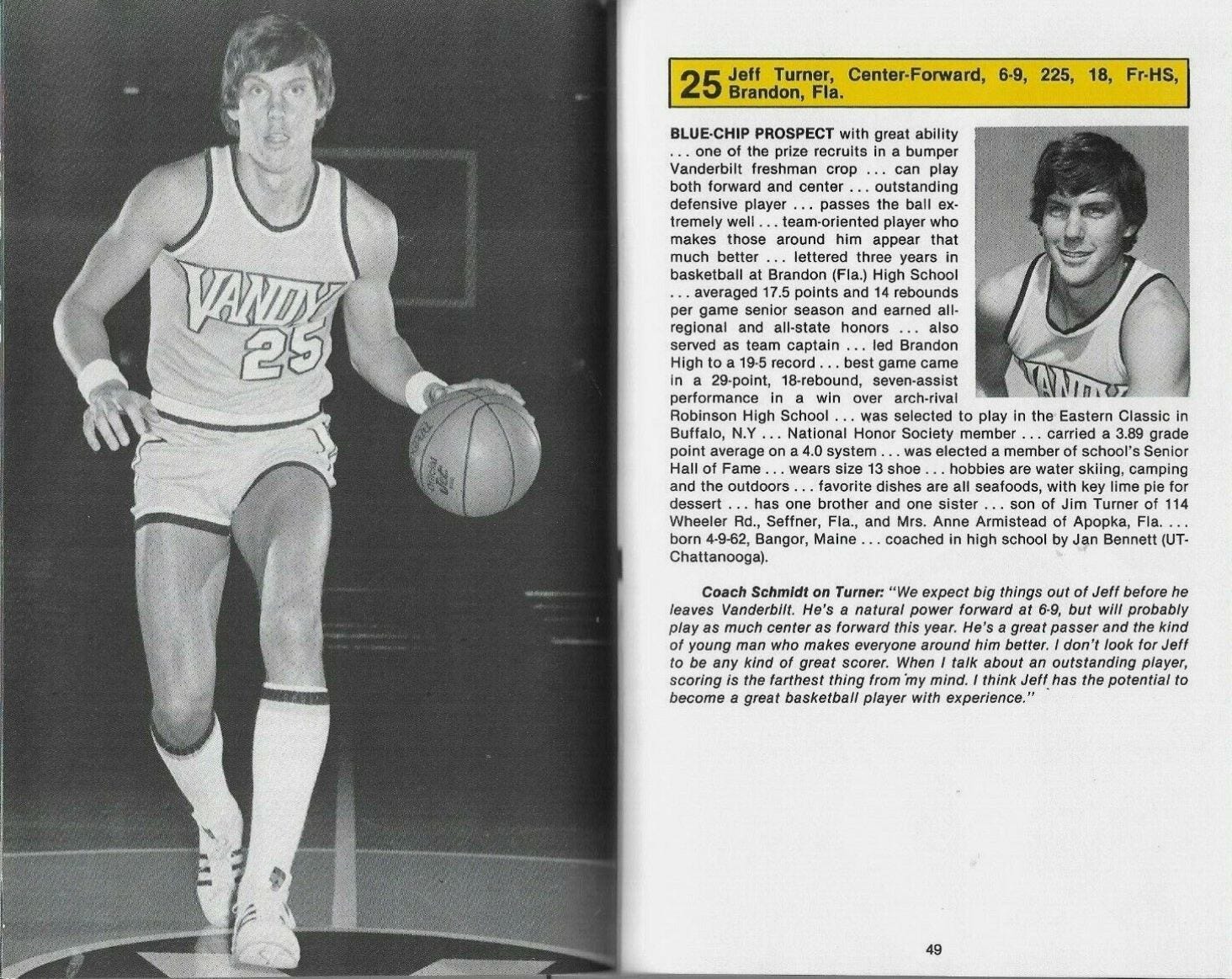
Vanderbilt and the long road
Turner enrolled at Vanderbilt University in 1980, not as a prodigy, but as a disciplined forward willing to learn. He completed a full collegiate career with the Commodores, balancing basketball with law studies, and steadily improved into a reliable interior presence.
By his senior season, Turner was posting solid numbers and, more importantly, showing the traits coaches trusted: strength, positioning, and consistency. It was enough to put him on the radar for the 1984 NBA Draft, one of the deepest in league history.
But before turning professional, Turner’s career took a decisive international turn.
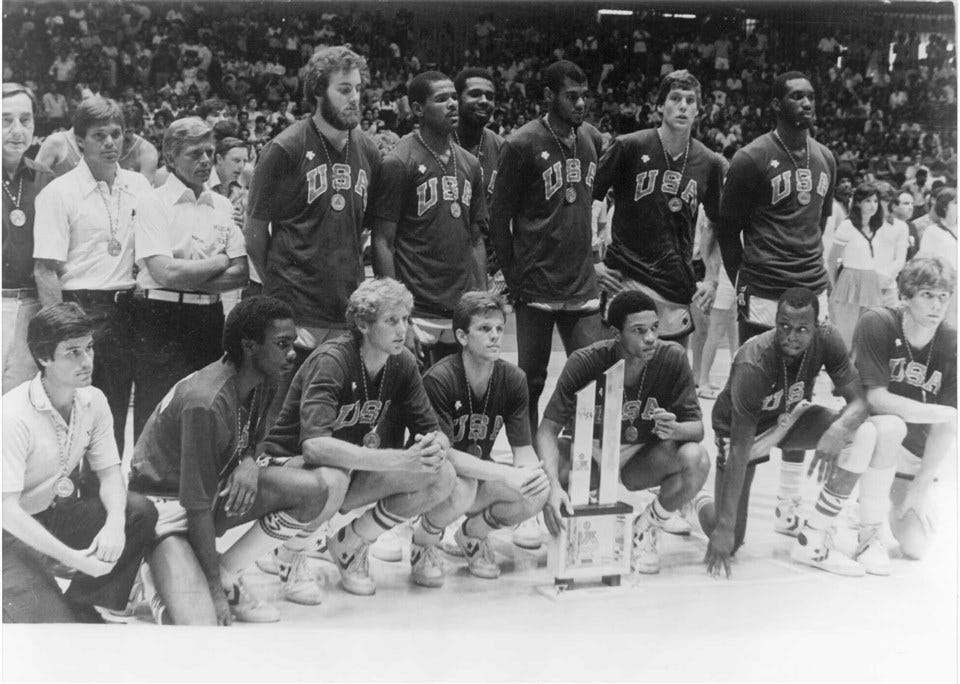
Team USA, before the NBA
Jeff Turner became one of the most experienced young American players on the international stage before ever playing a minute in the NBA.
He was part of the U.S. team that won silver at the 1982 World Championship, then joined the long preparation campaign for the 1984 Los Angeles Olympics. Under Bobby Knight, Team USA tested dozens of players before settling on a roster built entirely from the college ranks.
Turner made the final cut.
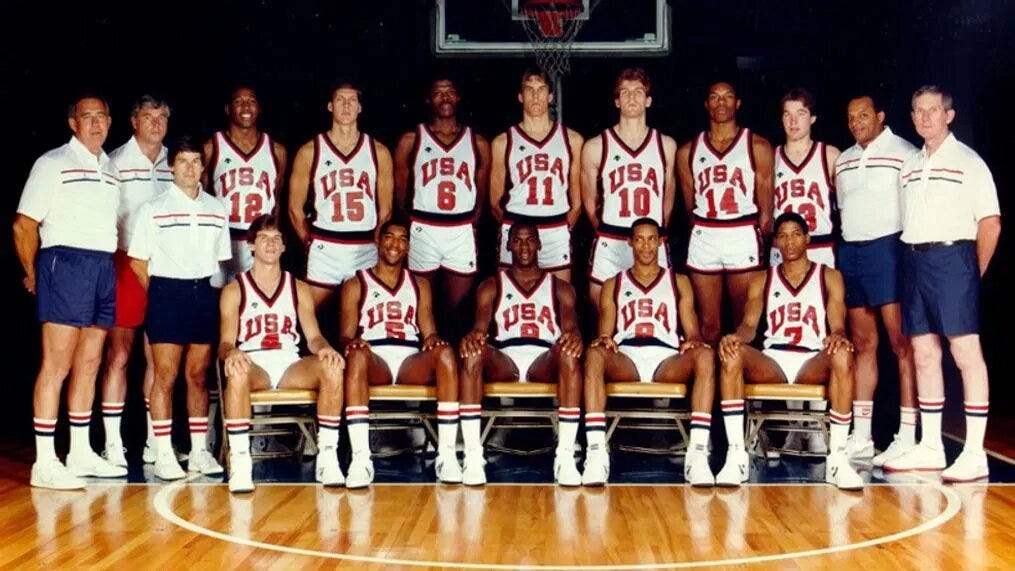
Surrounded by future icons such as Michael Jordan, Patrick Ewing, and Chris Mullin, Turner played a limited but steady role. He appeared in every game of the Olympic tournament as Team USA went undefeated and claimed the gold medal.
For Turner, Olympic gold was not a launchpad to stardom. It was an education in hierarchy, competition, and restraint.
Draft night and NBA reality
Turner entered the 1984 Draft from Bloomington, not Madison Square Garden. When the New Jersey Nets selected him with the 17th pick, the reaction in the arena was confusion more than celebration.
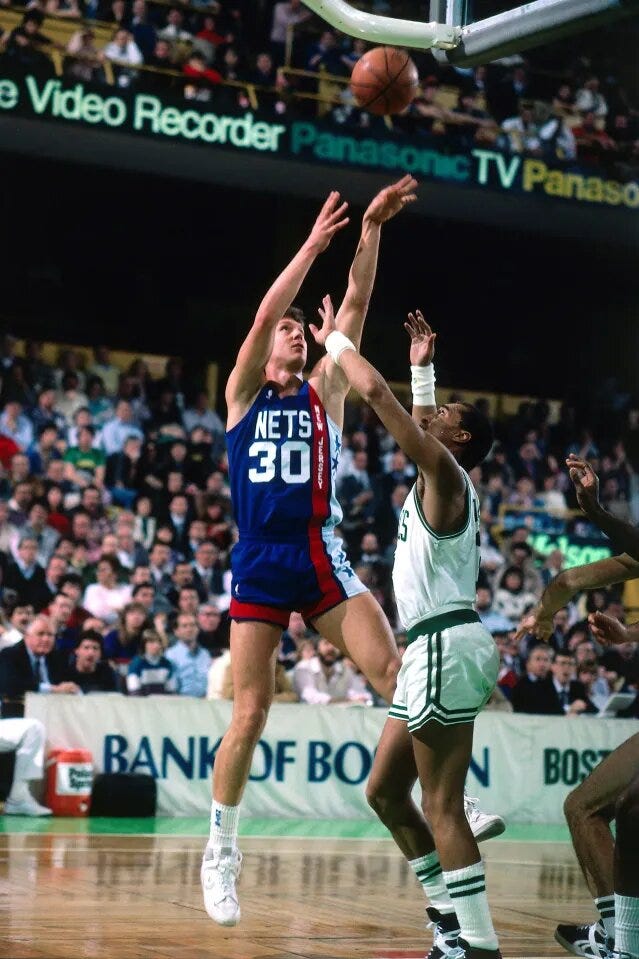
His early NBA years reflected that uncertainty. Turner backed up Buck Williams, logged minutes when injuries forced him into the lineup, and learned quickly how unforgiving the league could be. He was even asked to play out of position, guarding elite small forwards during his rookie season, including Bernard King on a Christmas Day game at Madison Square Garden.
Those seasons were uneven, both for Turner and for the Nets. After three years, New Jersey moved on.
Italy, then Orlando
In 1987, Turner went to Italy and found something close to stability. At Cantù, he became a leader, competed deep into European competitions, and was widely regarded as one of the strongest American big men on the continent.
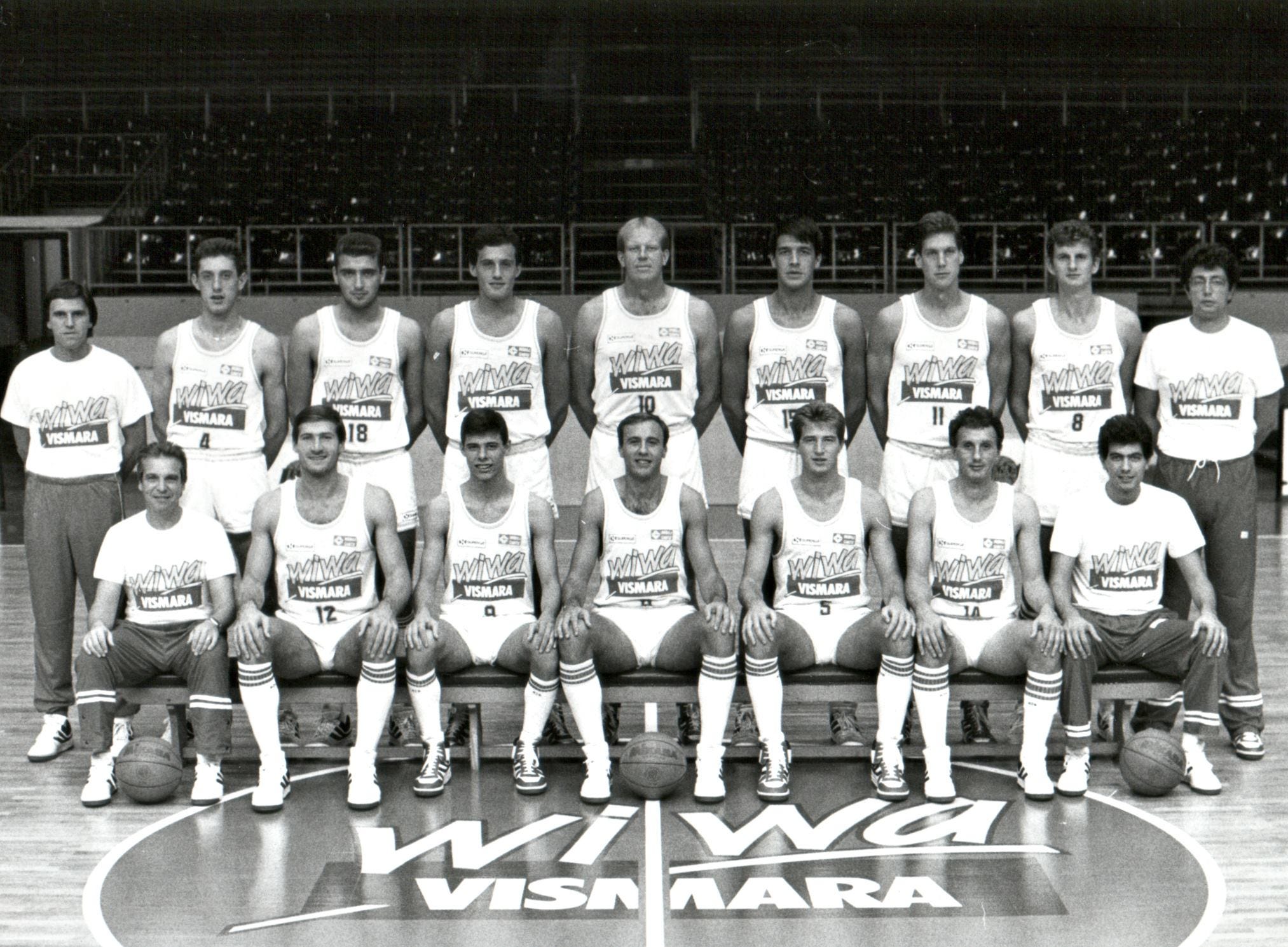
That success brought him back to the NBA in 1989, just as the Orlando Magic entered the league. Turner became the first free agent in franchise history, joining an expansion team that needed structure more than flash.
He found his place immediately.
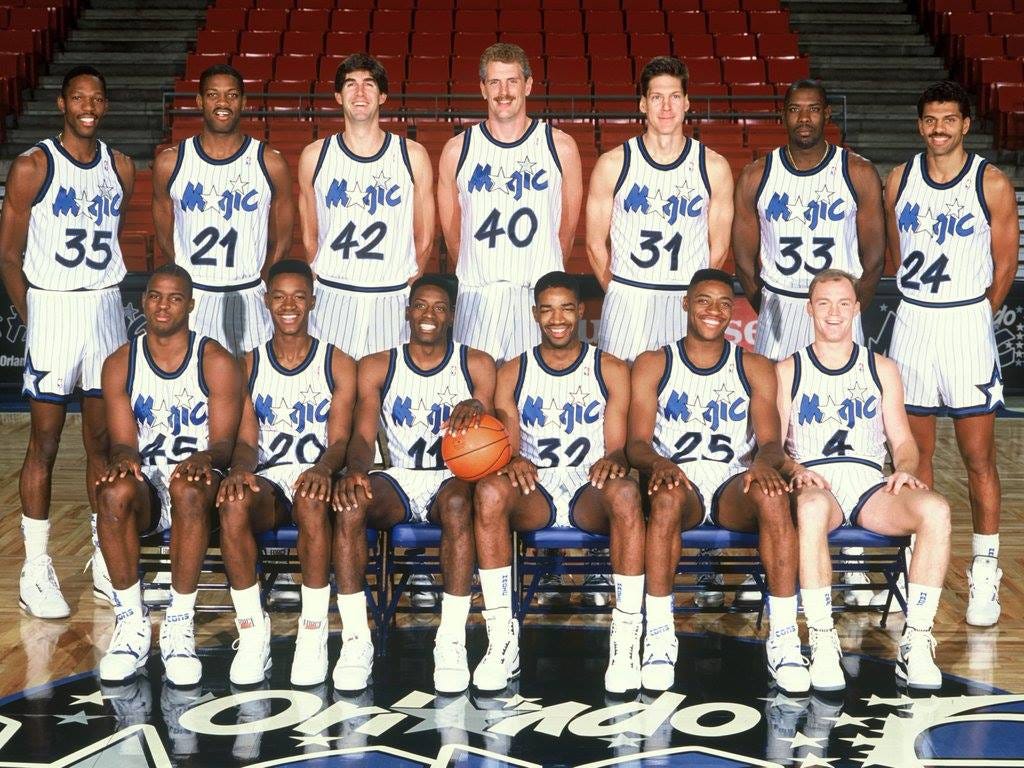
In Orlando, Turner filled a clear role: physical minutes, rebounding, fouls, and professionalism. As the Magic grew from an expansion team into an Eastern Conference contender, he remained part of the rotation, starting frequently before eventually backing up Horace Grant.
By the mid-1990s, he had even extended his game to the three-point line, adapting quietly as the league changed around him.
Knowing the role
Jeff Turner’s NBA career lasted because he understood what the job required.
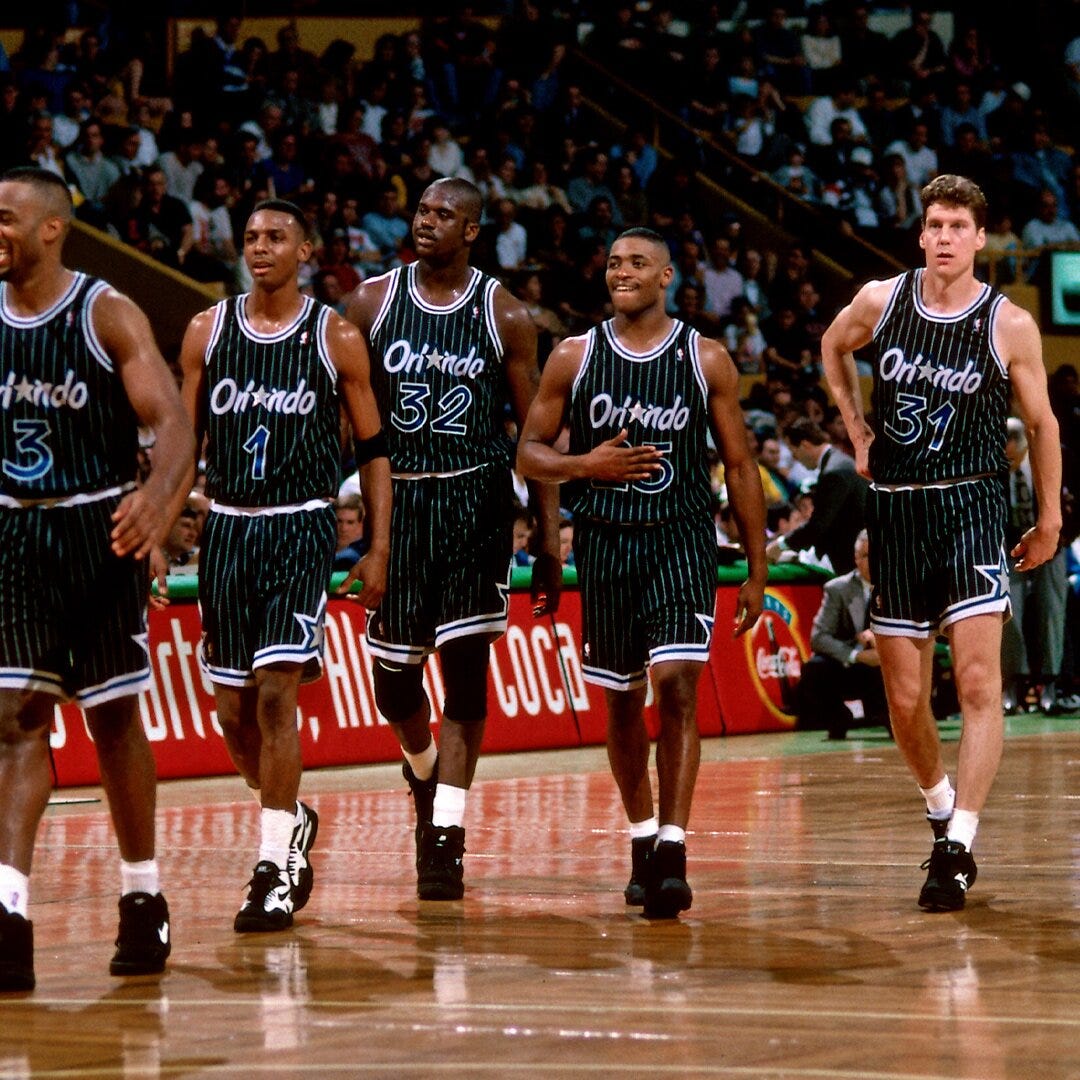
He did not chase touches or redefine himself publicly. He accepted minutes, adjusted responsibilities, and remained available. Knee injuries eventually ended his playing career after 636 NBA games, but not his connection to the league.
After the floor
Turner transitioned naturally into broadcasting, first on radio and later on television. Today, he can be heard regularly on NBA League Pass as a color commentator for Orlando Magic games, still close to the game, still explaining it with the same clarity that defined his career.
Jeff Turner’s career needs no symbolism.
It needs context.